January 10, 2026
The evolving technology used by professional glass services plays a pivotal role in creating more energy-efficient homes. By improving insulation performance, these innovations help regulate indoor temperatures and reduce the strain on heating and cooling systems. Smart glass features and designs that maximize natural light also contribute to lowering overall energy consumption. This article will explore the many ways glass services support greater efficiency and long-term cost savings in residential spaces.
Understanding Energy Efficiency in Homes
Energy efficiency in homes is becoming increasingly important as energy costs rise and the environmental impact of excessive consumption becomes clearer, making modern glass services more valuable than ever. Reducing energy use not only lowers utility bills but also helps shrink a household's carbon footprint. Because residential energy consumption represents a significant portion of overall usage, improving efficiency offers meaningful opportunities for environmental progress. Investing in smarter home design and advanced glass services supports both economic savings and long-term environmental responsibility.
There are numerous factors that influence home energy usage, from architectural design to the type of appliances used. Insulation, windows, and doors play significant roles, as they can prevent or encourage heat exchange. Geographic location and climate also dictate heating and cooling needs, affecting overall energy consumption. Secondly, the behaviors and habits of the occupants, such as thermostat settings and use of lighting, heavily impact energy usage. Lastly, the utilization and type of energy-efficient technologies and materials can greatly diminish or exacerbate a home's energy requirements.
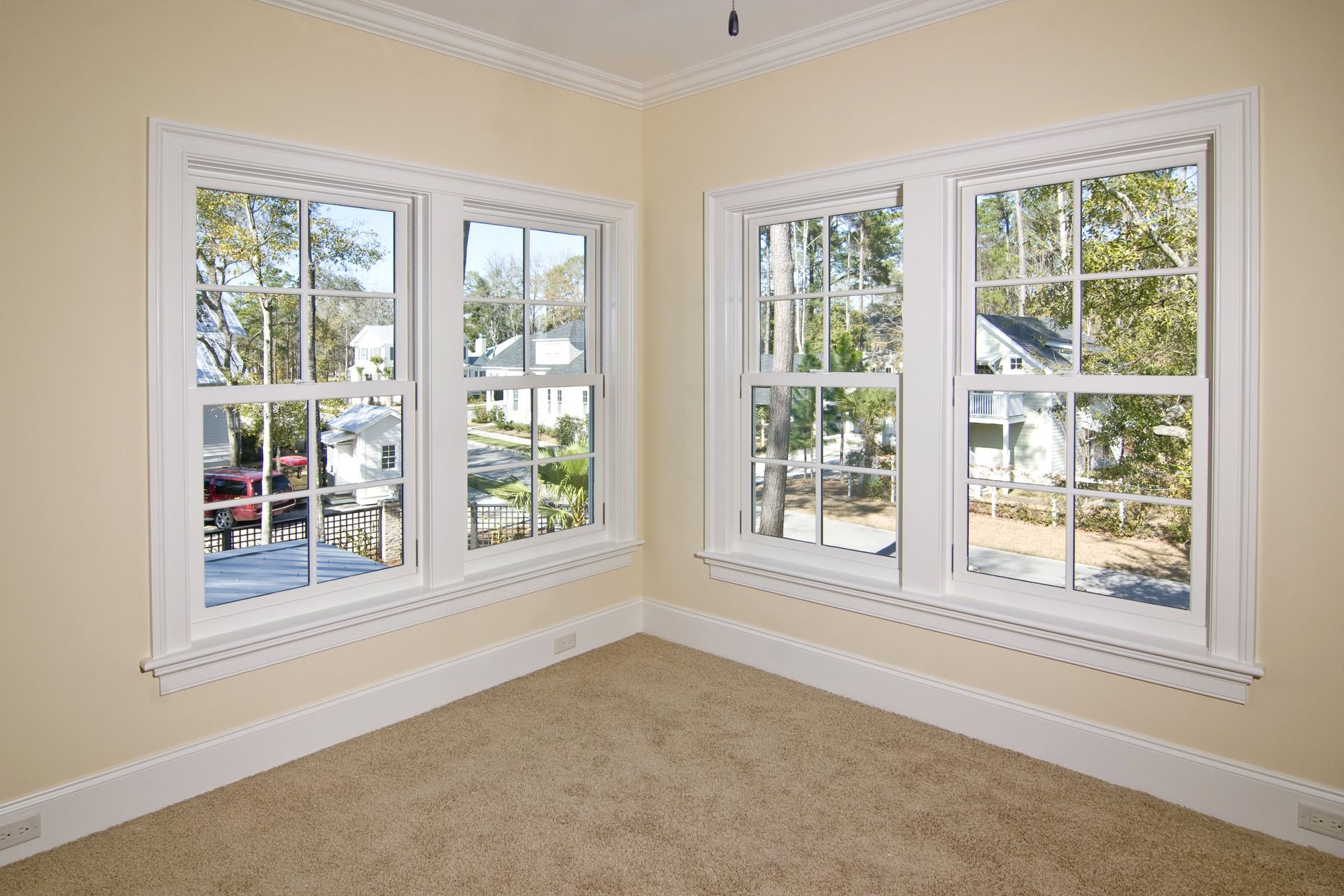
Glass, once considered a poor insulator, is now at the forefront of energy conservation technology thanks to advancements in glass services. Advancements such as low-emissivity coatings and insulating gas fillings improve the thermal performance of glass. Glass is now used not only for aesthetic purposes but also as a strategic component of energy-efficient home designs. The ability of modern glass to reflect heat, reduce glare, and optimize natural light plays a critical role in conserving energy. These innovations have turned glass from a liability into an asset for energy-efficient homes.
Insulating Glass for Enhanced Thermal Performance
Insulating glass units (IGUs) are a key component in improving thermal performance by reducing heat loss. Comprised of two or more glass panes separated by a spacer and sealed to form a single unit, IGUs trap air or a special insulating gas between layers. This construction significantly reduces heat transfer through windows. This resistance to thermal loss results from both the composition of the glass and the insulating properties of the gas or air trapped between the panes. As a result, homes with insulating glass experience enhanced thermal efficiency, reducing the need for excessive heating or cooling.
There are various types of IGUs, each offering unique benefits. Double-glazed units are the most common and provide significant insulation compared to single-pane glass by creating an air or inert gas-filled space between two glass layers. Triple-glazed units take this a step further by adding an additional glass layer, offering superior insulation and energy savings. Some advanced IGUs incorporate special coatings and gases like argon or krypton, which further enhance their insulative properties. The selection of the appropriate IGU depends on factors like local climate, energy-saving goals, and budget considerations.
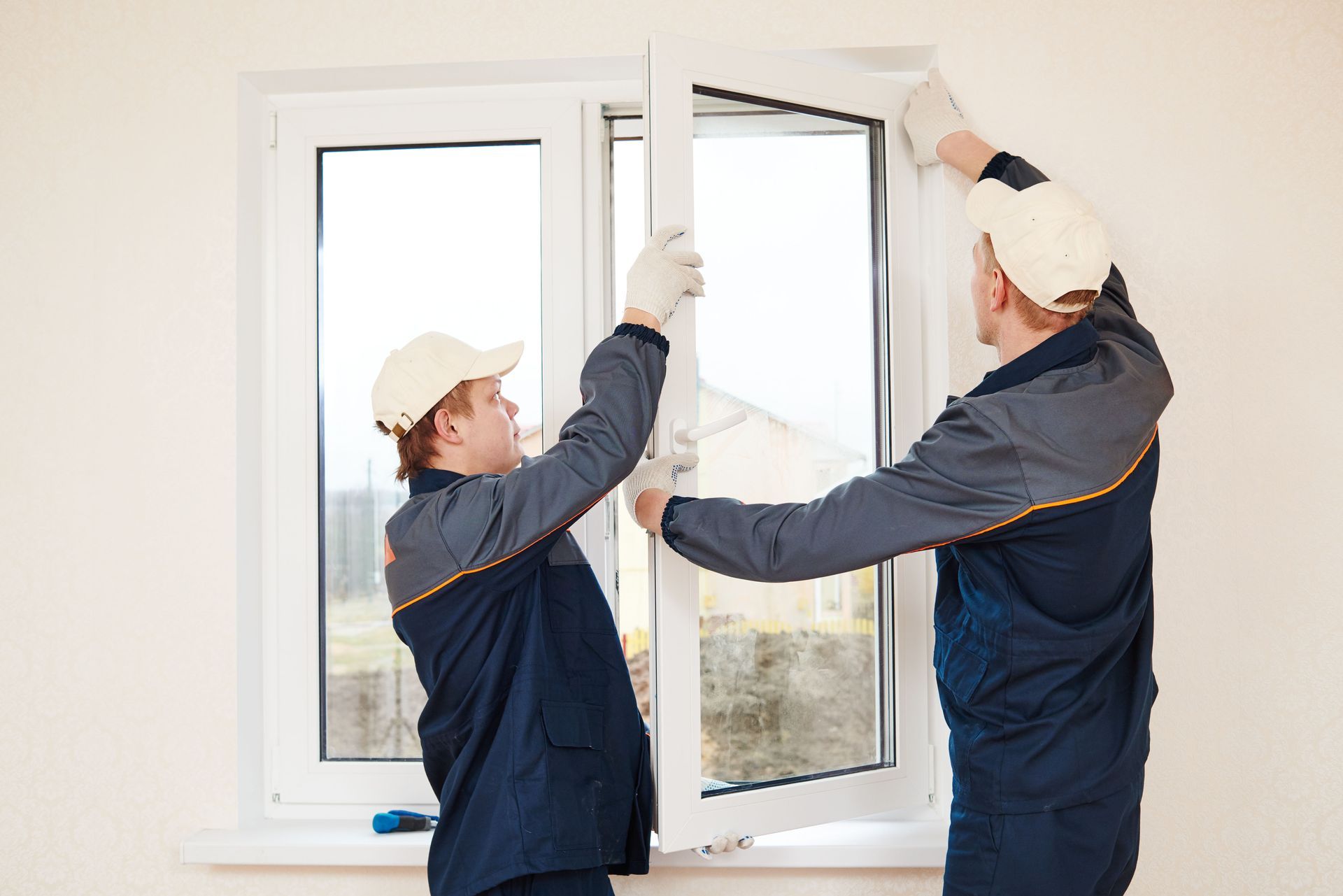
High-performance insulating glass offers numerous benefits, including improved energy efficiency and increased interior comfort. These glass units minimize drafts and cold spots, creating a more uniform indoor temperature. By reducing heat transfer, they help maintain desired temperature levels, decreasing reliance on HVAC systems and cutting energy costs. Additionally, high-performance glass reduces external noise, enhancing the quietness of indoor environments. According to EnergyStar, replacing old windows with ENERGY STAR certified windows can lower household energy bills by an average of up to 13 percent nationwide when replacing single-pane windows.
Incorporating Smart Glass Technology Into Modern Homes
Smart glass technology represents a groundbreaking advancement in window innovation, made even more effective when paired with modern glass services. This technology allows for automatic adjustment of light and heat transmission, giving users the ability to switch glass from transparent to opaque or modify tint levels based on preference or environmental changes. Its dynamic performance offers an adaptive solution to energy efficiency, responding instantly to sunlight, temperature shifts, and room occupancy. Smart glass also enhances privacy without the need for additional window treatments, making it an ideal choice for contemporary homes. With these capabilities, homeowners gain superior comfort, efficiency, and convenience through cutting-edge glass services.
There are several types of smart glass, each catering to different applications and functionalities. Electrochromic glass changes tint when an electrical charge is applied, ideal for exterior windows and skylights. Suspended particle device (SPD) glass, which similarly alters its opacity with electricity, is favored for environments requiring frequent adjustability. Liquid crystal and photochromic glass offer additional options for specific needs and lighting conditions. Choosing the right type depends on where it will be used, budget considerations, and desired effect.
Smart glass significantly contributes to energy savings by optimizing natural light and reducing the need for artificial lighting and HVAC systems. By adjusting to varying light conditions, smart glass can minimize solar glare and regulate indoor heat gain. As a result, homes require less energy for cooling in summer and may benefit from greater natural warmth in winter. These enhancements not only cut energy costs but also improve occupant comfort by maintaining a balanced indoor climate.
Daylighting to Maximize Natural Light
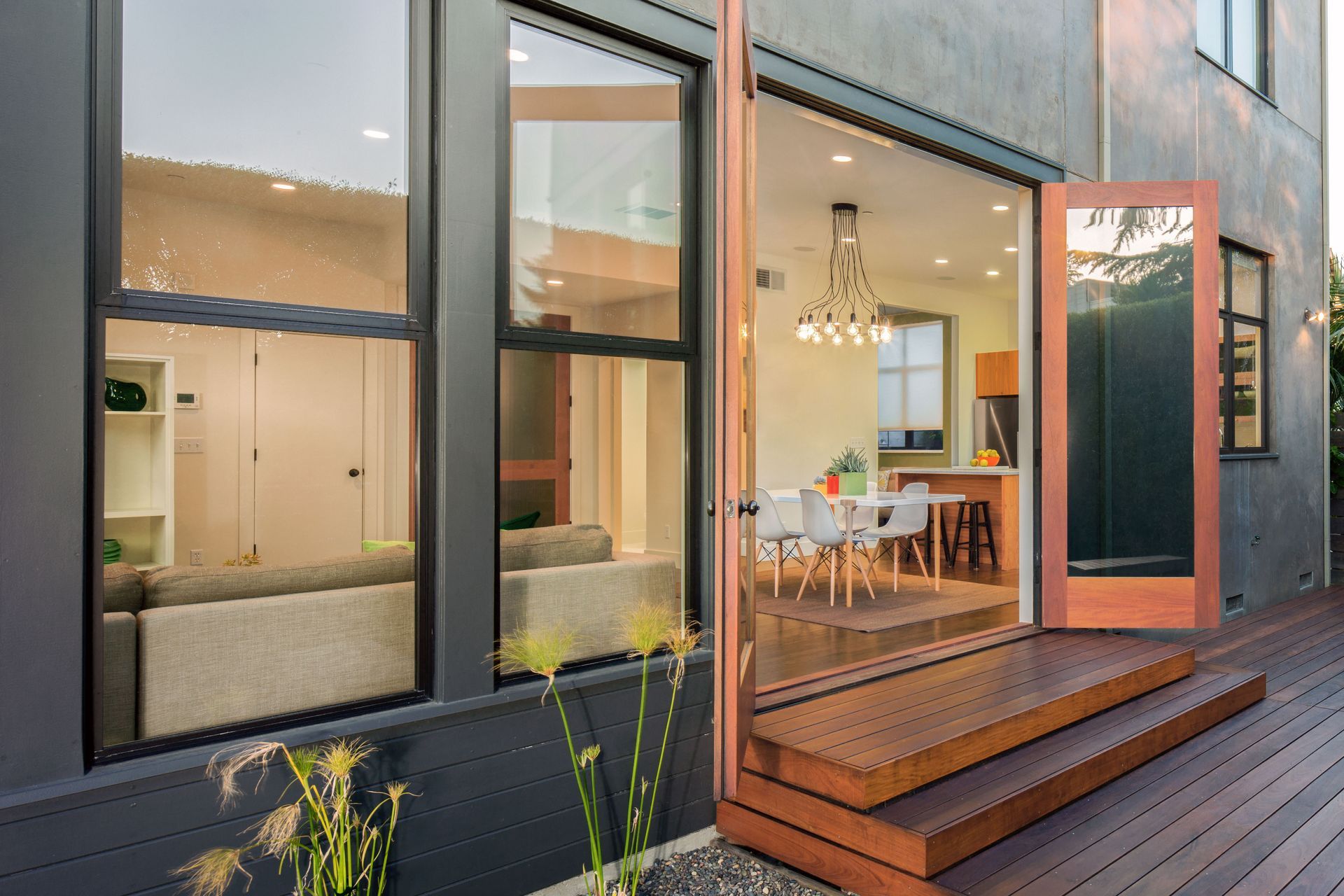
Daylighting is the practice of designing spaces to maximize the use of natural light, reducing the need for electrical lighting and improving energy efficiency. By strategically placing windows, skylights, and reflective surfaces, daylighting allows natural sunlight to penetrate deep into interiors. This not only decreases energy reliance but also creates a healthier and more visually appealing environment for occupants. Effective daylighting can transform indoor spaces, enhancing visual comfort and bringing the dynamic characteristics of natural light into everyday life. Incorporating daylighting strategies is a fundamental aspect of sustainable and energy-conscious architectural design.
Effective daylighting design requires careful planning and arrangement of architectural elements to ensure maximum light penetration. Window placement is critical, as they should capture optimal sunlight paths while minimizing glare. The choice of window size, height, and type can significantly impact daylighting effectiveness. Additionally, interior layout plays a role in distributing and diffusing natural light evenly across rooms. Reflective surfaces and light shelves can also enhance the spread of daylight, ensuring consistent lighting levels throughout the day. Optimal daylighting design involves a harmonious blend of aesthetics and functionality.
To achieve effective daylighting, the selection of the right glass types and glazing techniques is vital. High-performance glass with low reflectivity and high transmissivity allows more light to enter while minimizing heat gain. Low-E coatings in conjunction with strategic glazing techniques help control solar heat influx and maximize visual comfort. The use of frosted or translucent glass can provide diffused light, reducing glare and enhancing comfort in bright conditions. These glazing techniques ensure that spaces receive abundant natural light while remaining thermally efficient. Through strategic selection and installation, homes can unlock the full potential of daylighting.
Integrating advanced glass services into home design can lead to significant improvements in energy efficiency. By selecting appropriate insulating glass, adopting smart glass technologies, and implementing daylighting strategies, homeowners can enhance the energy performance of their homes. This not only reduces energy costs but also contributes to environmental sustainability and improves overall living comfort. If you would like to upgrade your home's energy efficiency with high-quality glass, contact Atlas Glass & Mirror.