April 6, 2026
The role of glass in modern architecture is evolving as it becomes a critical element in enhancing energy efficiency. There are many trends in the world of glass service that help homeowners transform their spaces into energy fortresses to help maintain a balance of sustainability and innovation. As architectural trends shift towards more sustainable practices, the use of advanced glass technologies is paving the way. These innovations do not merely form part of aesthetic features but also play a significant role in energy conservation and environmental sustainability.
The Advancements of Energy Efficient Glass
Low-E (low emissivity) coatings represent a quantum leap in glass technology, specifically in reducing energy loss. These coatings are made of microscopically thin, virtually invisible metal or metallic oxide layers that manage heat transfer, reflecting infrared energy while letting in natural light. Through this mechanism, Low-E coatings significantly minimize heat loss in the winter and heat gain in the summer, making homes more comfortable year-round. With these coatings, homeowners can maintain natural lighting without compromising on energy efficiency, a crucial factor in the sustainability equation.
Double and triple glazing is an important option when it comes to glass service, and it can significantly enhance insulation by trapping air or gas between layers of glass. This design forms an effective barrier against thermal transfer, leading to improved home insulation and substantial reductions in energy consumption. The added layers provide further protection against external noise, creating a serene indoor environment conducive for relaxing and productivity.
Smart glass represents a revolutionary advancement, offering adaptive solutions that respond to environmental changes. When integrated into homes, smart glass can automatically adjust transparency, optimizing indoor lighting and temperature according to the time of day and weather conditions. This adaptability helps in regulating indoor climates while maintaining privacy, reducing dependence on artificial lighting and climate control systems. Smart glass can be controlled manually or programmed to change opacity, thereby becoming an essential component in modern energy-efficient homes.
The Benefits of Natural Lighting and Thermal Comfort
Daylighting strategies focus on maximizing the use of natural light to illuminate interiors effectively. Innovative glass installations, such as large windows and strategically placed skylights, allow for optimal daylight penetration, reducing the need for artificial lighting. Advanced glass technologies can filter harmful rays while preserving natural illumination, creating bright and vibrant living spaces. By designing with daylighting in mind, architects can enhance the aesthetic appeal of homes, emphasizing open, airy environments that foster well-being. Implementing these strategies contributes to lower energy consumption, reinforcing the push towards more sustainable living conditions.
Controlling solar heat gain is critical to maintaining a comfortable indoor climate without relying excessively on air conditioning. Specialized glass solutions, such as tinted or reflective coatings, manage the amount of solar energy entering a building. These technologies keep interiors cooler during summer months while allowing light transmission, thus achieving a balance between natural light and temperature control. According to 360iResearch, modern glass installations reduce UV transmission by 99%, preventing 80% of interior fading for furniture and floors while maintaining natural light.
The benefits of thermal insulation provided by advanced glass service system options extend beyond temperature regulation. Effective insulation reduces the energy demands for heating and cooling, directly translating into lower energy bills and a reduced carbon footprint. Insulating glass units (IGUs) enhance overall home efficiency, supporting sustainability goals by conserving energy and reducing emissions. By investing in high-quality insulation, homeowners achieve long-term savings while contributing to environmental preservation.
The Advantages of Sustainability and Environmental Benefits
One of the most significant sustainability benefits of energy-efficient glass is the reduction of a household's carbon footprint. By minimizing energy consumption through superior insulation and energy-generating capabilities, glass technology directly decreases the reliance on fossil fuels. Reduced energy demand translates into lower carbon emissions, aligning with global efforts to mitigate climate change. These environmental advantages underscore the critical role of advanced glass solutions in sustainable architecture. As more homeowners adopt such technologies, the cumulative impact on carbon reduction can lead to significant strides in creating sustainable communities.
The impact of modern glass technologies on energy consumption is profound, offering substantial savings through reduced heating and cooling needs. Low-E coatings, multi-pane glazing, and smart glass collectively work to optimize a building's thermal performance, ensuring efficient energy use. By reducing dependence on external energy sources, these technologies contribute to more sustainable living practices.
In addition to performance benefits, the glass service industry is increasingly focusing on sustainable manufacturing processes. The use of recyclable materials ensures that at the end of their lifecycle, glass products can be re-purposed rather than discarded. Many manufacturers are adopting eco-friendly practices, including energy-efficient production and the sourcing of sustainable raw materials. These steps are critical in reducing the environmental footprint of the glass industry, supporting a circular economy.
The Emphasis on Design and Aesthetic Considerations
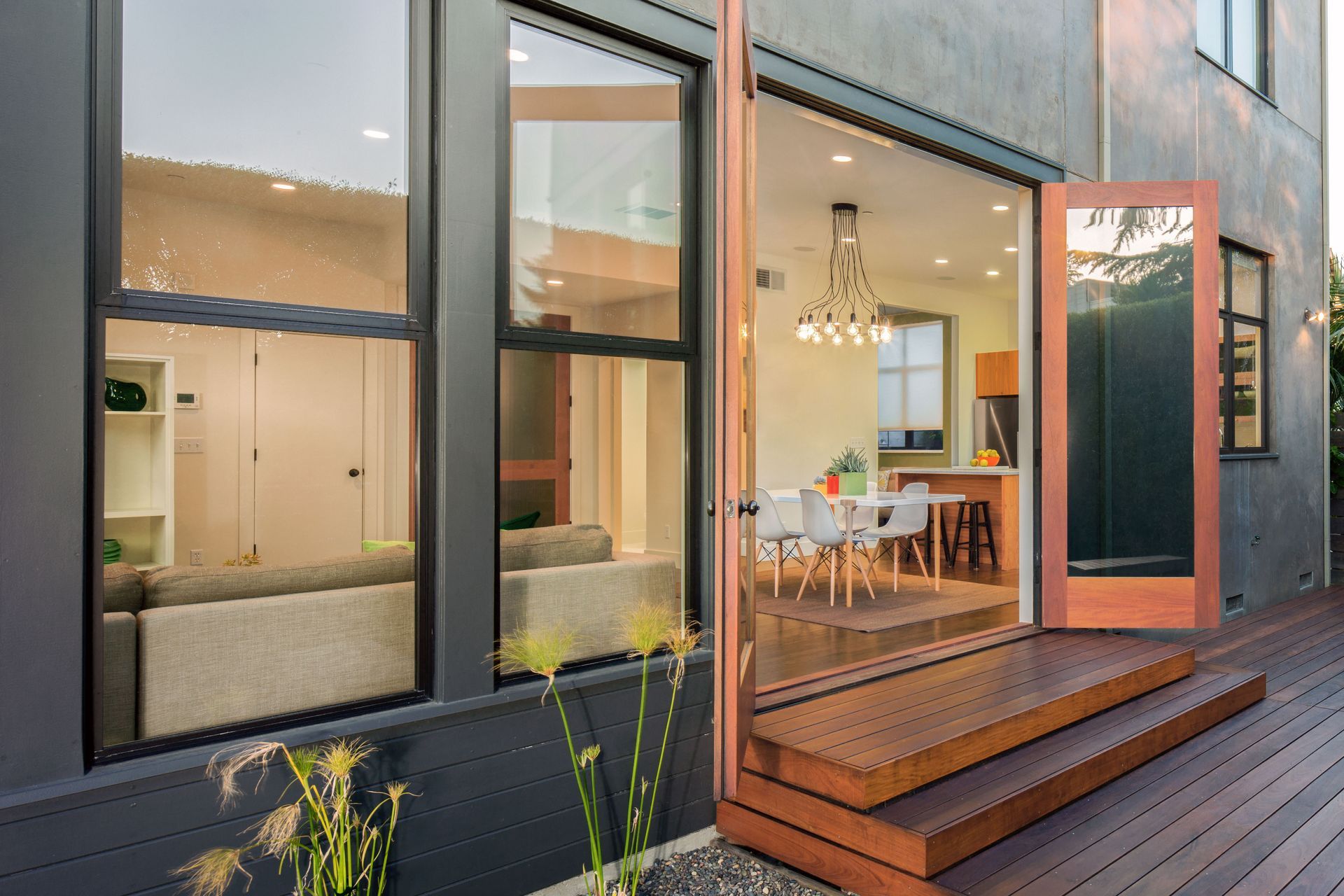
Energy-efficient glass plays a key role in supporting minimalistic and modern architectural designs. Its sleek, transparent aesthetic aligns with contemporary trends that prioritize simplicity and open spaces. By integrating large glass panels and innovative designs, architects can achieve the striking, seamless look that defines modern homes. These designs not only enhance visual appeal but also emphasize connectivity with the surrounding environment, blurring the lines between indoor and outdoor spaces. The combination of functionality and aesthetics afforded by energy-efficient glass makes it a cornerstone of modern design philosophy.
One of the advantages of modern glass technology is its versatility, offering a range of customizable features and styles to fit various architectural preferences. Homeowners can choose from different colors, textures, and opacities to tailor their spaces according to personal tastes. This customization extends to functional features, such as smart glass technologies that provide adjustable transparency and privacy options. By offering diverse glass solutions, manufacturers cater to a wide array of design visions, ensuring that energy-efficient glass installations complement any architectural style.
Incorporating energy-efficient glass into smart home technologies offers a holistic approach to creating intelligent living environments. Smart glass systems can be integrated with home automation platforms, enabling remote control over lighting, temperature, and privacy settings. These integrated systems enhance convenience while optimizing energy use, fundamentally transforming the way residents interact with their homes. As the smart home market continues to grow, the synergy between glass technology and home automation is poised to unlock new levels of efficiency and innovation.
The Process of Installation and Maintenance of Energy-Efficient Glass
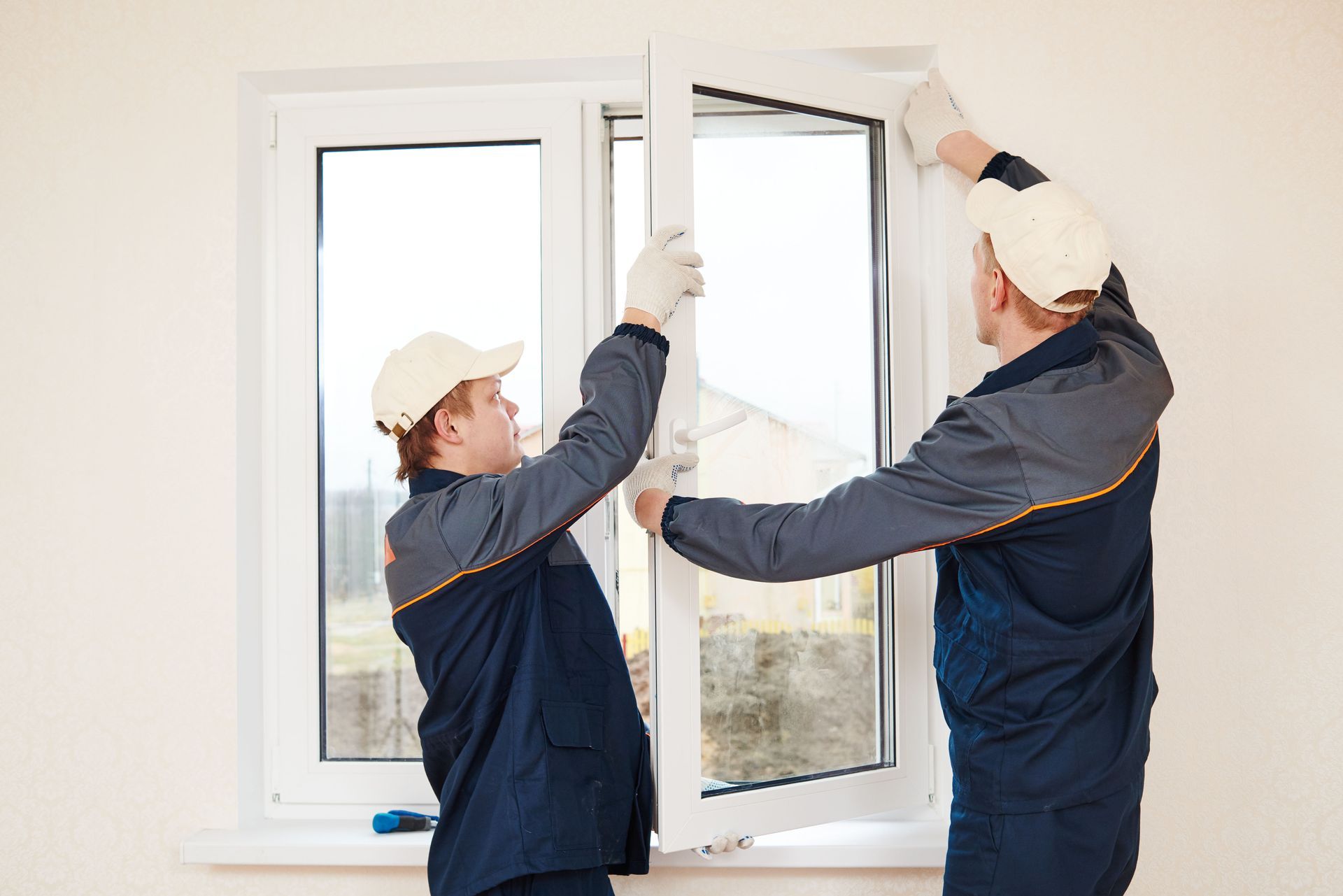
Proper installation is crucial to realizing the full benefits of energy-efficient glass, emphasizing the importance of hiring skilled professionals. Expert installers ensure that glass products are fitted optimally to prevent air leaks and maintain thermal performance. Adhering to professional standards during installation also mitigates the risk of damage and ensures long-term product durability. By investing in professional services, homeowners can safeguard their investment, maximizing the performance and longevity of their glass solutions.
Maintaining energy-efficient glass installations involves simple yet effective practices that preserve their performance over time. Regular cleaning prevents the buildup of dirt and debris, which can affect the glass's transparency and functionality. Scheduled inspections can identify any issues, such as seal failures, early on, allowing for timely repairs that prolong the lifespan of the installation. By incorporating consistent maintenance habits, homeowners can ensure that their glass continues to operate efficiently, contributing to overall home sustainability.
While the benefits of energy-efficient glass are numerous, certain challenges can arise during the installation process. Some of the common issues include fitting irregular window shapes, ensuring airtight seals, and choosing the appropriate glazing for specific climatic conditions. Professional installers are equipped to address these challenges, employing specialized tools and techniques to ensure precise and effective installation. By navigating these complexities, professionals help homeowners achieve optimal results, avoiding potential compromises in performance.As homeowners continue to prioritize efficiency, comfort, and sustainability, modern innovations in
glass service are reshaping the way homes perform and protect. From advanced insulation to smart glazing solutions, these upgrades are turning everyday living spaces into true energy fortresses. Staying ahead of these trends not only enhances your home's value but also reduces long-term energy costs. If you are ready to transform your home with cutting-edge solutions, contact Atlas Glass & Mirror today to explore your options and get started.