March 6, 2026
Glass replacement is a common requirement, whether for a home, vehicle, or any other structure. The decision to replace glass involves careful consideration and an understanding of various factors to ensure the best outcomes. Homeowners and vehicle owners are often left uncertain about how to proceed, the costs involved, and whom to hire. Additionally, the choice of materials and understanding the environmental impact are pivotal in making an informed decision. This article aims to provide a comprehensive guide on the key questions to ask before embarking on a glass replacement project.
1. What Type of Glass Needs Replacement?
Deciding which glass needs replacement begins with identifying the specific location and its intended purpose. For window glass in a home, considerations include whether the glass is for an exterior or interior window, as the performance needs can vary significantly. For vehicles, windshield glass has regulatory and safety considerations, while side windows may focus more on visibility and tinting options. Knowing the purpose helps narrow down the type of glass that best suits the physical and functional requirements of the space. Accurate identification ensures the replacement glass will align with both aesthetic and practical needs.
The extent and nature of the damage are significant considerations in a glass replacement project. Damage could range from simple cosmetic issues like scratches to more serious cracks or shattered pieces that compromise integrity. It's essential to assess whether the damage allows for a repair or necessitates full replacement. For vehicle glass, a crack within the driver's line of sight or one that risks spreading typically requires a complete replacement rather than a repair. Understanding the damage type guides the repair or replacement path, impacting material choices and cost.
Once the location and damage type have been identified, selecting the appropriate material is crucial. Glass options include tempered glass, laminated glass, and energy-efficient variants like low-emissivity (Low-E) glass. Each has its benefits: tempered glass is strong and break-resistant, laminated glass provides security with minimal shattering, and Low-E glass improves insulation properties. The choice of material affects the performance, safety, and cost of the glass replacement project. Therefore, a well-considered choice ensures that the new glass meets both functional and financial expectations.
2. Who Should You Hire for the Replacement?
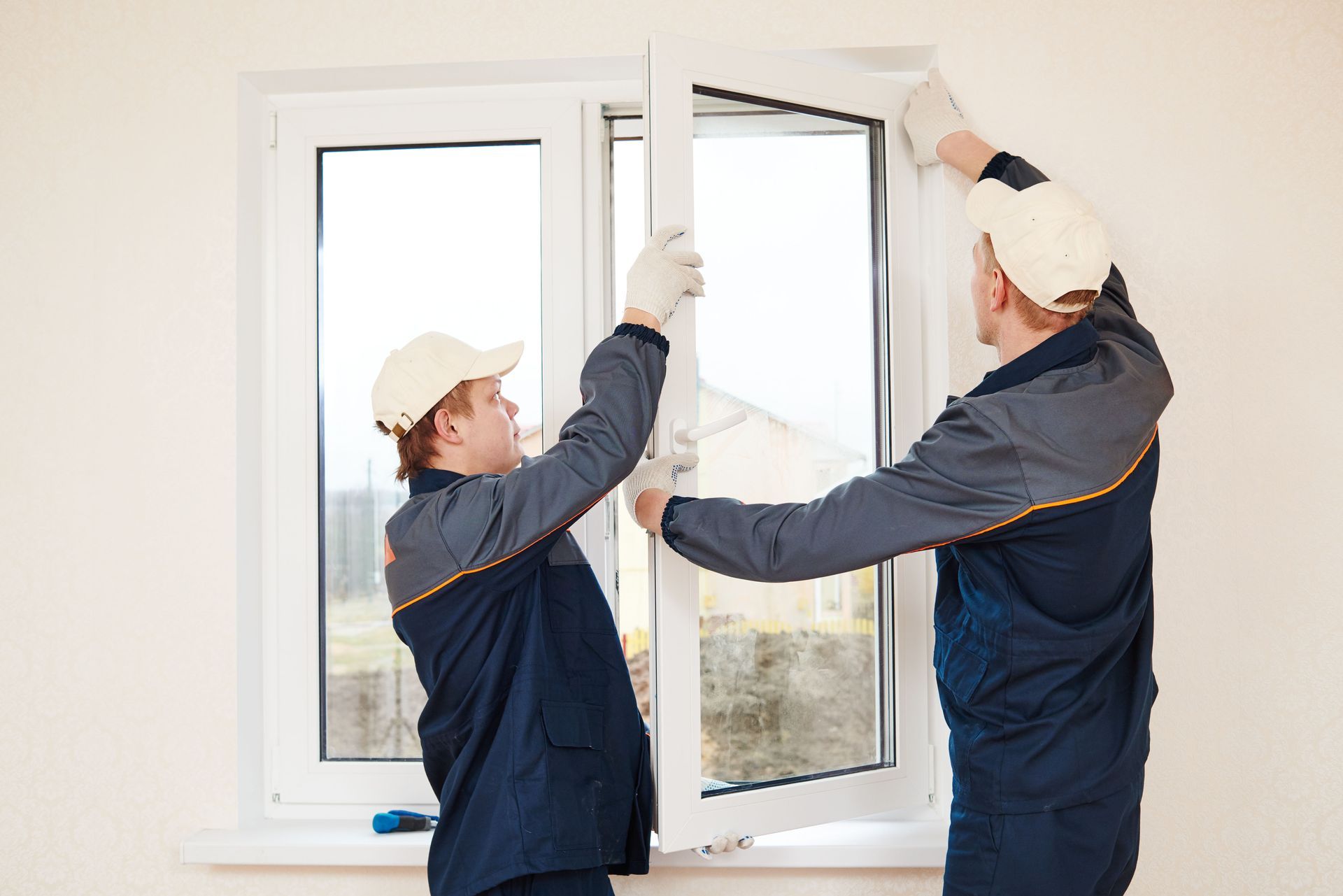
The success of a glass replacement project often hinges on the competence of the hired professionals. Researching licensed and certified contractors ensures that the job is performed according to industry standards. Both residential and vehicle glass replacements require skilled technicians with the expertise to handle different materials and situations. Moreover, a legitimate license signifies that the professional complies with local regulations and possesses the necessary qualifications. Trusting your project to such professionals increases the likelihood of a satisfactory outcome.
Experience and reputation provide insight into a professional's reliability and quality of work. Contractors with a long-standing presence in the industry often have a robust track record of projects and satisfied clients. Reading reviews and testimonials from previous clients can provide a clearer picture of the contractor's strengths and weaknesses. Personal recommendations from friends or family can also direct you to reputable professionals. By prioritizing experience and reputation, clients are more likely to find trustworthy and skilled individuals for their replacement needs.
Understanding the pricing structure and obtaining detailed estimates are foundational to making informed financial decisions in glass replacement. A comprehensive quote should include itemized costs for materials, labor, and additional charges, creating transparency and preventing hidden costs. Comparing quotes from multiple professionals ensures competitive pricing and highlights discrepancies in estimates that may indicate future issues. Furthermore, an on-site evaluation often leads to more accurate quotes. Clear pricing analysis helps avoid surprises and aligns project costs with budgetary constraints.
3. What Is the Cost of Replacement?
The initial step in managing the costs of glass replacement is understanding the material expenses. These costs vary based on the type of glass selected, such as standard float glass, energy-efficient options, or specialty glass. Factors like thickness, size, and custom designs also influence the material cost significantly. By sourcing quotes and comparing prices, individuals can identify the expected financial outlay for materials, aiding in budget formulation. A well-researched understanding of basic material costs sets a foundation for more comprehensive cost management.
Labor costs represent a significant portion of the total expenses in a glass replacement project. Skilled technicians require compensation commensurate with their expertise, which can vary by region and complexity of the installation. It's crucial to obtain detailed quotes that specify hours or fixed rates for labor, ensuring clarity and awareness of this cost aspect. Labor costs are influenced by the need for specific expertise, such as handling hazardous materials or completing intricate installations. Therefore, evaluating these costs in concert with material expenses provides a realistic budgetary framework for the project.
Beyond the primary material and labor expenses, additional costs can arise in a glass replacement project. These might include disposal of old materials, transportation, or special equipment needed for installation. Preparing for such eventualities by factoring them into the project budget prevents unforeseen financial stress. Additionally, permitting fees or inspection costs may apply based on local regulations, impacting total expenses. Forward-planning for these extraneous costs ensures that financial surprises are minimized, allowing a smoother project execution.
4. What Are the Environmental Impacts of the Replacement?
Choosing eco-friendly glass options is crucial in reducing the environmental impact of replacement projects. Manufacturers now offer glass constructed with sustainable practices, such as incorporating recycled materials or reducing energy usage in production. Options like Low-E glass contribute to energy conservation by improving the thermal efficiency of buildings. By adopting such sustainable alternatives, individuals contribute to broader environmental objectives while reducing their carbon footprint. Evaluating eco-friendly options demonstrates a commitment to environmental responsibility alongside functional needs.
Energy efficiency is an important consideration for lowering both environmental and economic costs in glass installations. Using energy-efficient glass reduces the need for artificial heating and cooling, thereby conserving energy and lowering utility bills. Technologies such as thermally insulated window glazing and spectrally selective coatings enable passive temperature control. This improvement directly benefits building sustainability goals, reflecting a shift towards environmentally-conscious construction practices. Understanding and selecting energy-efficient options aligns personal investment with broader conservation objectives.
The disposal and recycling of old glass involve environmental implications worth understanding during replacement projects. Proper disposal practices ensure that glass waste does not contribute to landfill issues or environmental degradation. Many regions offer recycling programs where damaged glass is collected and repurposed for new products. Homeowners can collaborate with contractors to adhere to environmentally responsible disposal methods. Emphasizing recycling and environmentally conscious disposal reflects a commitment to sustainability and waste reduction.
5. What Are the Timeframes for the Replacement?
Effective planning of project timelines helps achieve a successful and stress-free glass replacement. Discussing expected timeframes with professionals ensures alignment with personal schedules and setting realistic deadlines. According to This Old House, fitting new glass in a window typically takes around half an hour, though the complexity varies by project. Timely communication and clarity on timescales allow for adjustments and ensure project milestones are met. Setting clear expectations with service providers minimizes disruptions and enhances project flow.
Considering weather conditions or environmental factors is crucial when scheduling
glass replacement projects. Certain weather conditions, like rain or extreme temperatures, can delay or complicate installations. Discussing potential weather-related disruptions with professionals ensures proactive planning and adequate preparedness. Scheduling projects during seasons with milder weather may minimize the risk of delays or unforeseen challenges. Factoring these elements into the timeline enhances the likelihood of a smooth execution and maintains project momentum.
Custom glass orders require careful consideration of lead times, which can affect overall project timelines. Customized pieces, such as uniquely shaped or fabricated glass, often have a longer production timeframe than standard items. Clients should inquire early about production durations to incorporate waiting periods into the project plan effectively. Timely ordering minimizes delays and keeps the project on track with desired timelines. Expanding timelines to account for custom orders ensures a seamless integration into larger planning arrangements.
Deciding to replace glass is a significant choice that involves evaluating various practical, economic, and environmental factors. By asking the right questions and thoroughly exploring your options, you can ensure a successful glass replacement project that meets your needs and expectations. This thoughtful and methodical approach enhances the likelihood of achieving satisfaction with the completed project, providing both immediate and long-term benefits. For more information, contact Atlas Glass & Mirror today.